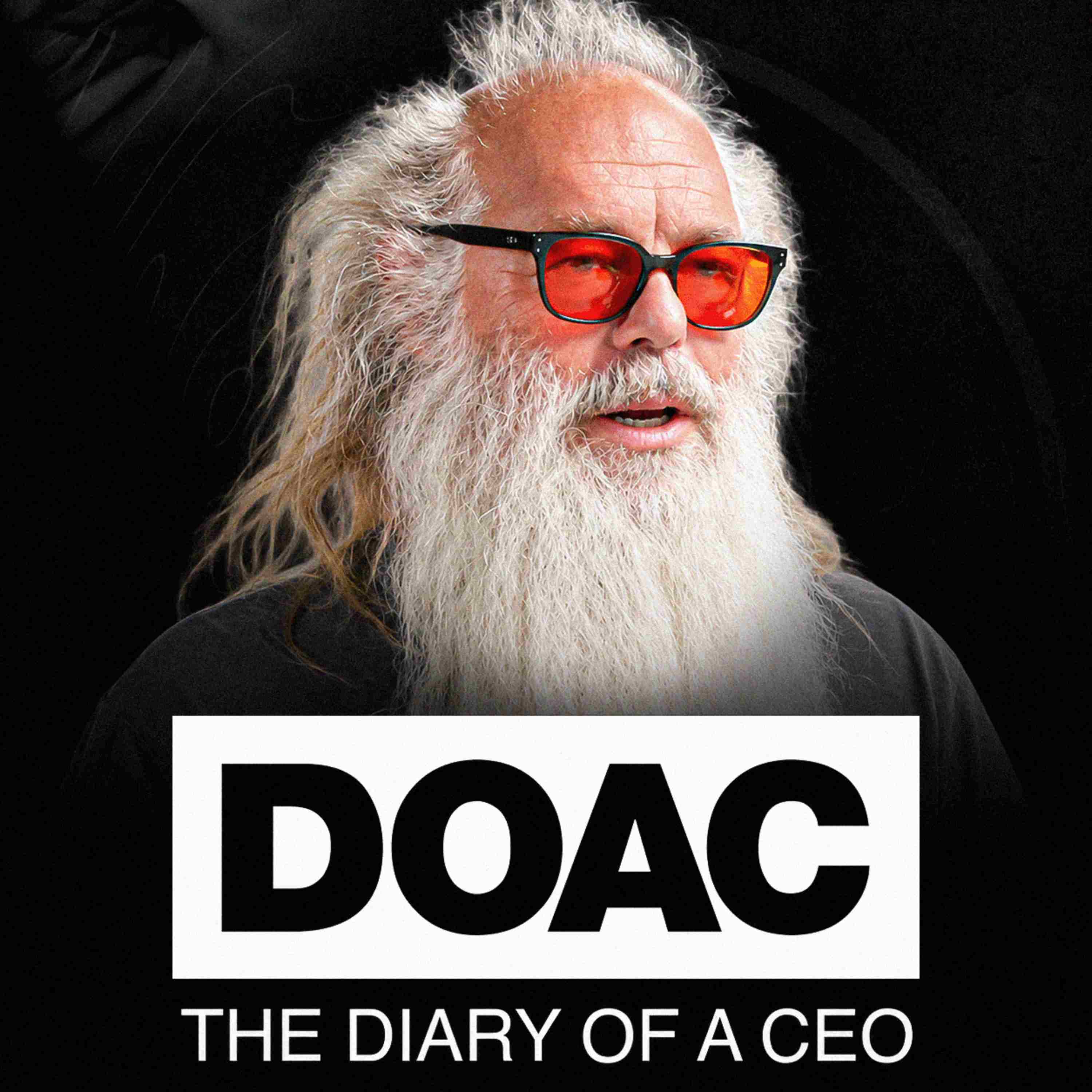
In a world where conformity often reigns, Rick Rubin's philosophy on creativity and self-expression acts as a refreshing counterpoint. His insights challenge societal norms that prioritize rules over freedom, urging individuals to break free from prescribed paths and embrace their unique creative journeys.
Rubin, an iconic music producer, discusses how societal structures often stifle creativity. He argues that traditional education systems condition us to follow rules, which ultimately suppresses our inherent creative instincts. Instead of fostering innovation, these systems create a culture of conformity.
The essence of Rubin's message is that true art and creativity stem from a place of personal truth. He emphasizes that when artists create from their hearts rather than for commercial success, they produce work that resonates deeply with both themselves and their audience. This philosophy has profound implications for society as it encourages individuals to prioritize authenticity over external validation.
Society's Creative Constraints
Rubin notes that many individuals suppress their creative impulses due to fear of judgment or failure. Society often equates success with commercial viability, leading people to create art that is palatable rather than profound. This creates a cycle where artists feel compelled to produce what is expected of them, rather than what they genuinely want to express.
He argues that **creativity is beaten out of us** over time. Educational institutions often prioritize rote learning and standardized testing over creative thinking. As a result, many people abandon their creative passions, believing they are not 'good enough' or that their ideas are not worth pursuing.
"“The rules are not there to help us. The rules are there to control us.”"
Rick Rubin: What Jay-Z Did in 30 Minutes Left Me Speechless!
This statement encapsulates Rubin's critique of societal norms that discourage risk-taking and self-expression. By breaking free from these constraints, individuals can rediscover their creative potential.
The Indefensible Nature of Art
Rubin introduces the concept of the **indefensible** in creativity, suggesting that taking risks and embracing the unconventional often leads to the most profound artistic expressions. He believes that the most innovative works arise from a willingness to explore ideas that may seem irrational or 'indefensible' at first glance.
This perspective suggests that society benefits when artists take these risks, as it challenges audiences to expand their understanding of what art can be. For example, he cites the groundbreaking album *Yeezus* by Kanye West, which initially alienated some listeners but ultimately redefined musical boundaries.
"“If you make something where you think this is for everyone, it’s too easy.”"
Rick Rubin: What Jay-Z Did in 30 Minutes Left Me Speechless!
This approach encourages artists to prioritize their unique visions over societal expectations, ultimately enriching the cultural landscape.