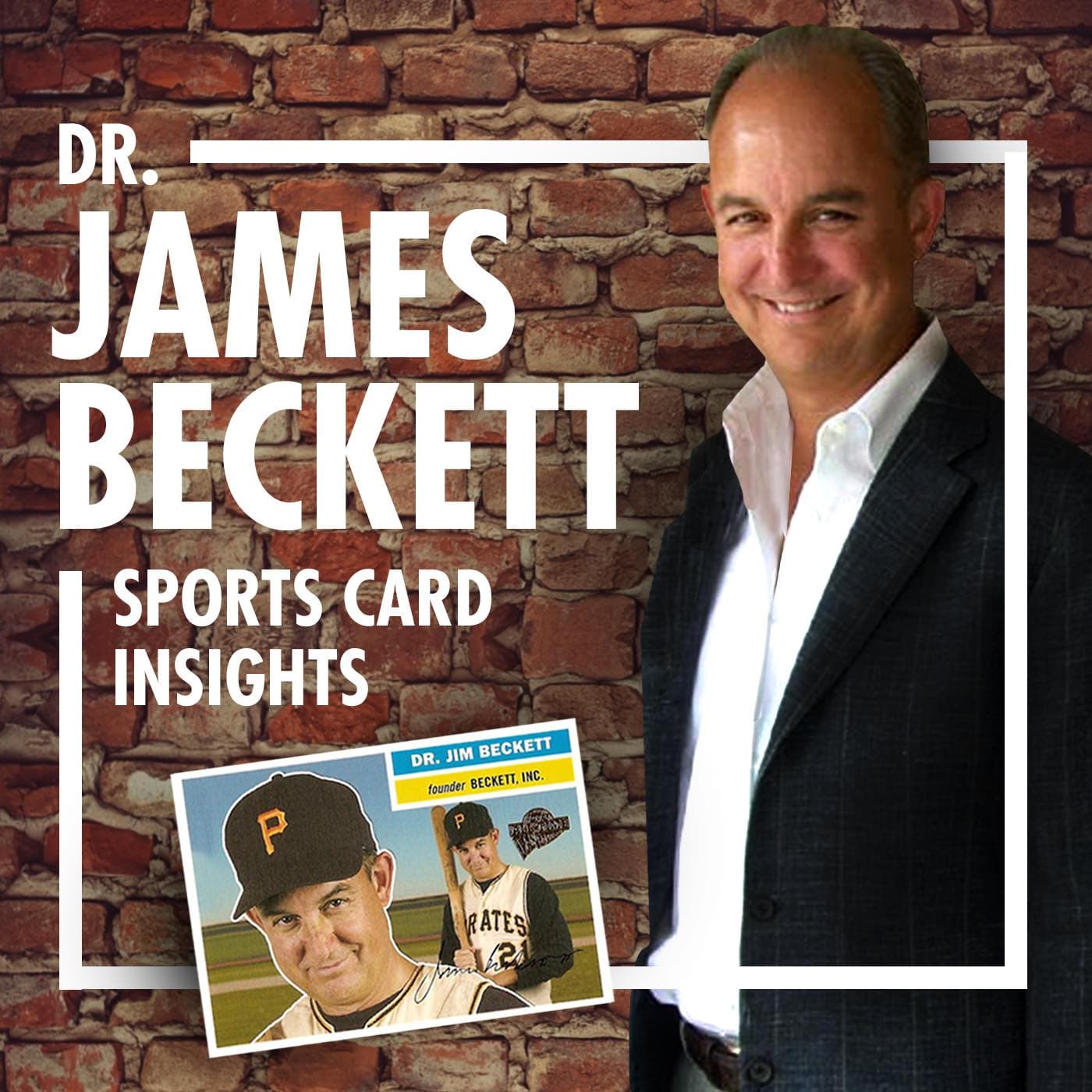
Sports card collecting is more than just a hobby; it is a passion that brings joy and excitement to countless enthusiasts. In recent discussions, various aspects of this leisure activity have come to light, particularly surrounding grading standards and the evolving nature of the hobby.
The world of sports cards offers a rich tapestry of experiences, memories, and community. As collectors navigate this landscape, understanding the nuances of grading and the historical context can enhance their enjoyment and engagement with this unique leisure pursuit.
In this exploration, we will delve into the intricacies of card grading, the evolution of collecting standards, and the significance of community mentorship. Each of these themes reveals how sports card collecting is not just about the cards themselves but also about the shared experiences and stories that accompany them.
The Art of Grading: A Journey Through Standards
Grading standards have transformed significantly since the early days of card collecting. Initially, grading was subjective and based on descriptive terms. The early 1970s saw the advent of a standardized grading system, crafted with feedback from collectors and dealers.
Dr. James Beckett emphasizes the importance of the original terminology, arguing that terms like "near mint" and "gem mint" should retain their meanings. This historical context is vital for collectors today, as understanding these terms can help them navigate the modern market more effectively.
"The original words of grading need to make sense. If it's gem mint or pristine, that should be reflected in the cards we collect."
1583 - Push Backs 2.0
As collectors become more discerning, the expectations for card conditions have also heightened. The dialogue around grading is essential for understanding the value and appeal of sports cards, which carries weight for both collectors and investors.
Community and Mentorship: The Heart of Collecting
One of the most enriching aspects of sports card collecting is the sense of community it fosters. New collectors often enter the hobby with enthusiasm but may lack the experience to navigate the complexities involved.
Dr. Beckett suggests that mentorship can play a crucial role in bridging this gap. Experienced collectors can provide invaluable insights, helping newcomers understand the nuances of card grading and market dynamics.
"If a new big buyer comes in, they ought to make friends with someone who's been in the hobby for a long time."
1583 - Push Backs 2.0
This idea of mentorship not only enriches the collector's experience but also strengthens the community. Sharing knowledge and experiences fosters a deeper appreciation for the hobby, making it more enjoyable.