Back to
entrepreneurship3 min read

Human-Centered AI: Aza Raskin's Vision for Ethical Entrepreneurship

Explore Aza Raskin's insights on building human-centered AI technologies that prioritize ethical entrepreneurship and societal well-being.

48m

Episode audio

3m

This article

45m

Time you save

Sumly listened to the whole episode and wrote this for you.

The Sumly effect

This article condenses 48m of audio into a 3 min read.

Sumly does this with every episode of your favorite podcasts — AI summaries, key takeaways and personalized notes, delivered automatically.

Start free — 14-day trial

The conversation around artificial intelligence (AI) is evolving rapidly, yet many entrepreneurs still grapple with its ethical implications. How can we design AI systems that prioritize human experience and societal well-being? Aza Raskin, co-founder of the Center for Humane Technology, offers profound insights into this pressing issue.

As the creator of the infinite scroll, Raskin reflects on the unintended consequences of technology designed without sufficient consideration for its impact on human behavior. In the realm of entrepreneurship, this raises critical questions about responsibility, design ethics, and the frameworks we adopt as we innovate.

The integration of AI into business practices presents a unique opportunity for entrepreneurs to lead with intention. Raskin emphasizes the importance of understanding the ergonomics of human interaction with technology, suggesting that successful entrepreneurs should prioritize human needs in their designs. This article distills key takeaways from Raskin’s perspective, providing actionable insights for entrepreneurs navigating the complexities of AI.

Understanding Human-Centered Design in AI

Raskin argues that to create technology that benefits humanity, entrepreneurs must begin with a deep understanding of human needs and vulnerabilities. He posits that the relationship between technology and human ergonomics is essential for preventing negative externalities.

For entrepreneurs, this means performing a thorough analysis of how their products will affect users. Raskin suggests that innovators should consider not just what their technology can do, but how it can be misused or lead to unintended consequences. This proactive approach can prevent the exploitation of users by prioritizing their well-being.

"If you don't understand the ergonomics, then your technology causes more harm. The responsibility as a designer is to deeply understand human nature."

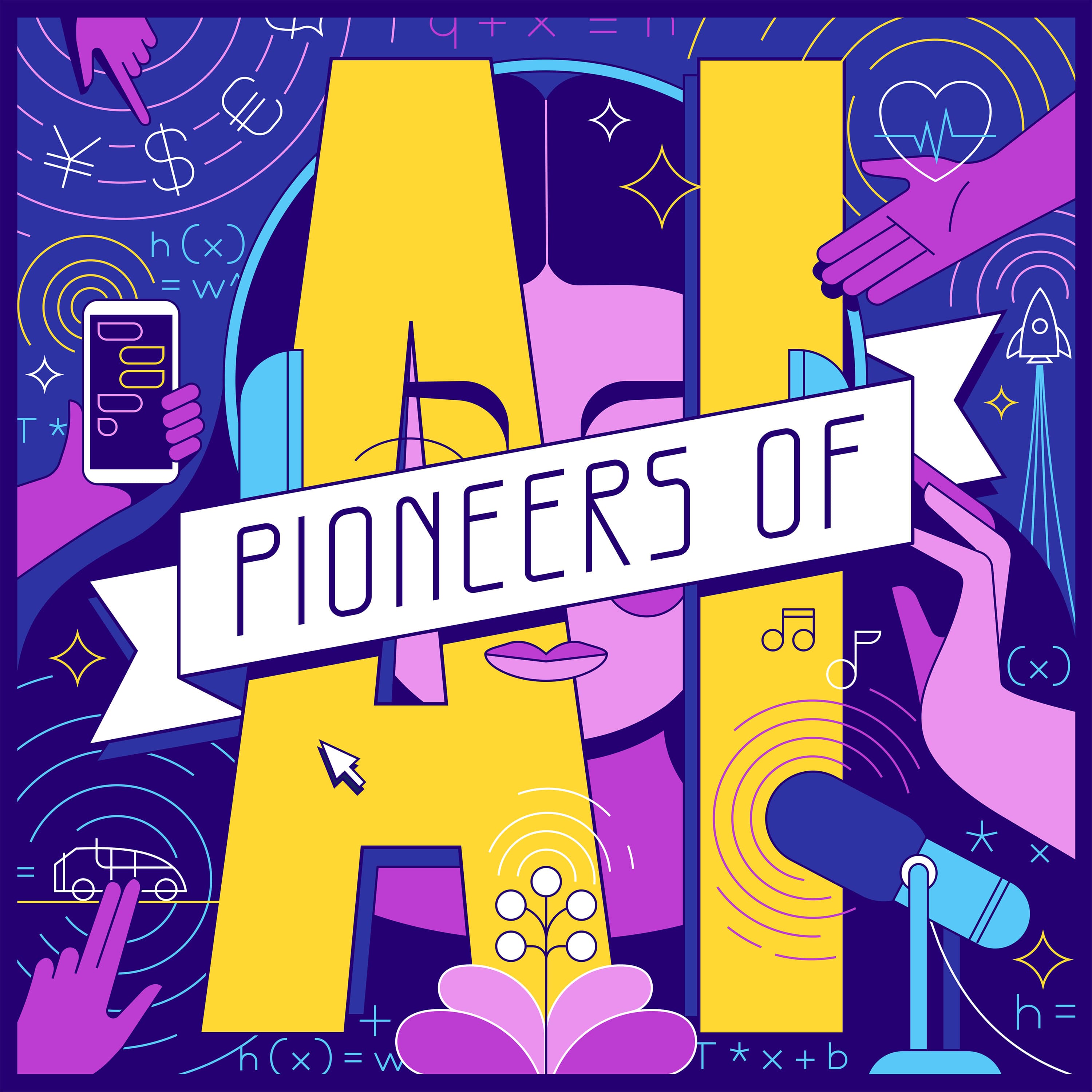
Pioneers of AI: Designing AI for people and the planet, with Aza Raskin"

The Role of Ethical Responsibility in Entrepreneurship

Raskin’s discussion of ethical responsibility in technology highlights the necessity for entrepreneurs to adopt a stance of accountability. By employing strategies such as red teaming and yellow teaming, businesses can anticipate potential misuses of their technologies.

Red teaming involves assessing how a technology could be misused by malicious actors, while yellow teaming focuses on identifying perverse incentives that could lead to harmful outcomes. As Raskin notes, many technologists underestimate the power of their innovations, which can lead to significant societal consequences.

"We need to update our beliefs about the power of what we do so there is a right relationship between our power and our responsibility."

Pioneers of AI: Designing AI for people and the planet, with Aza Raskin"

Incentives and Business Strategy in AI

The competition among companies to capture attention underscores the need for clear incentives aligned with ethical practices. Raskin emphasizes that businesses should not only focus on their immediate goals but also consider the broader implications of their technologies on society and individual well-being.

This perspective invites entrepreneurs to think critically about how their innovations may alter human relationships and societal dynamics. For example, the race for engagement in social media has led to a culture that prioritizes attention over meaningful connections. Entrepreneurs must ask themselves how their products influence user behavior and societal values.

Key Takeaways

  • Prioritize Human Needs: Understand the ergonomic relationship between technology and users to design responsibly.
  • Embrace Ethical Responsibility: Use red and yellow teaming strategies to anticipate misuse and misaligned incentives.
  • Align Incentives with Values: Consider the societal impact of technologies and how they reshape human interactions.

Conclusion

The potential of AI to reshape our reality is immense, but it comes with profound responsibilities. Raskin's insights serve as a call to action for entrepreneurs to embrace human-centered design, ethical considerations, and a commitment to societal well-being in their innovations.

As we stand on the brink of an AI-driven future, the choices made by today’s entrepreneurs will determine not only the success of their ventures but also the quality of our collective human experience.

Want More Insights?

The conversation around AI and entrepreneurship is just beginning. As discussed in the full episode, Raskin expands on the nuances of creating humane technology and the entrepreneurial responsibility that comes with it.

To dive deeper into these topics and discover more insights like this, explore other podcast summaries on Sumly, where we transform hours of podcast content into actionable insights you can read in minutes.

Ask Sumly

Have a question about this article?

Sumly digested the entire episode. Ask anything — key ideas, missing context, what the guest really meant.

Try asking

1 free question per day — no account needed.

Free to start

Enjoying this article?

Get AI-generated summaries from this podcast and thousands more — before your queue buries them.

Create free account