Back to
culture4 min read

Banned Books and the Cultural Curiosity of Children

Explore how exposing children to banned books fosters cultural understanding and curiosity in our society today.

18m

Episode audio

4m

This article

14m

Time you save

Sumly listened to the whole episode and wrote this for you.

The Sumly effect

This article condenses 18m of audio into a 4 min read.

Sumly does this with every episode of your favorite podcasts — AI summaries, key takeaways and personalized notes, delivered automatically.

Start free — 14-day trial

What happens when children encounter books that society deems inappropriate? Instead of banning these stories, we should embrace the opportunity to engage with our kids and explore the cultural significance behind them.

The conversation around banned books is more relevant than ever, as it raises questions about freedom of expression, cultural values, and the role of parents in guiding their children through complex narratives. In a world where censorship seems to be on the rise, the importance of letting kids read what others consider controversial cannot be overstated.

In a recent discussion, the joy of discovering a lending library dedicated to banned books became a catalyst for meaningful conversations. As children browsed the titles, they not only recognized books they had already read but also expressed curiosity about why certain stories are labeled as inappropriate. This moment of awareness is not just about reading; it’s about understanding culture and the shifting boundaries of what is acceptable.

Cultural Significance of Banned Books

Books like A Wrinkle in Time or I Want a New Butt have become focal points in the discussion about censorship. The latter, often seen as harmless, was banned due to parental complaints about its language. Such incidents reveal an underlying tension in our culture: the struggle between protecting childhood innocence and fostering intellectual curiosity.

When children learn about banned books, they are introduced to the concept of cultural values that fluctuate over time. For instance, classics like Huckleberry Finn have faced bans for various reasons throughout history, from being deemed inappropriate to accusations of being overly progressive. This inconsistency teaches children that cultural narratives are not static; they evolve with societal values.

"“We don’t ban books, we discuss them,” reflects a crucial parenting philosophy. It encourages dialogue rather than censorship."

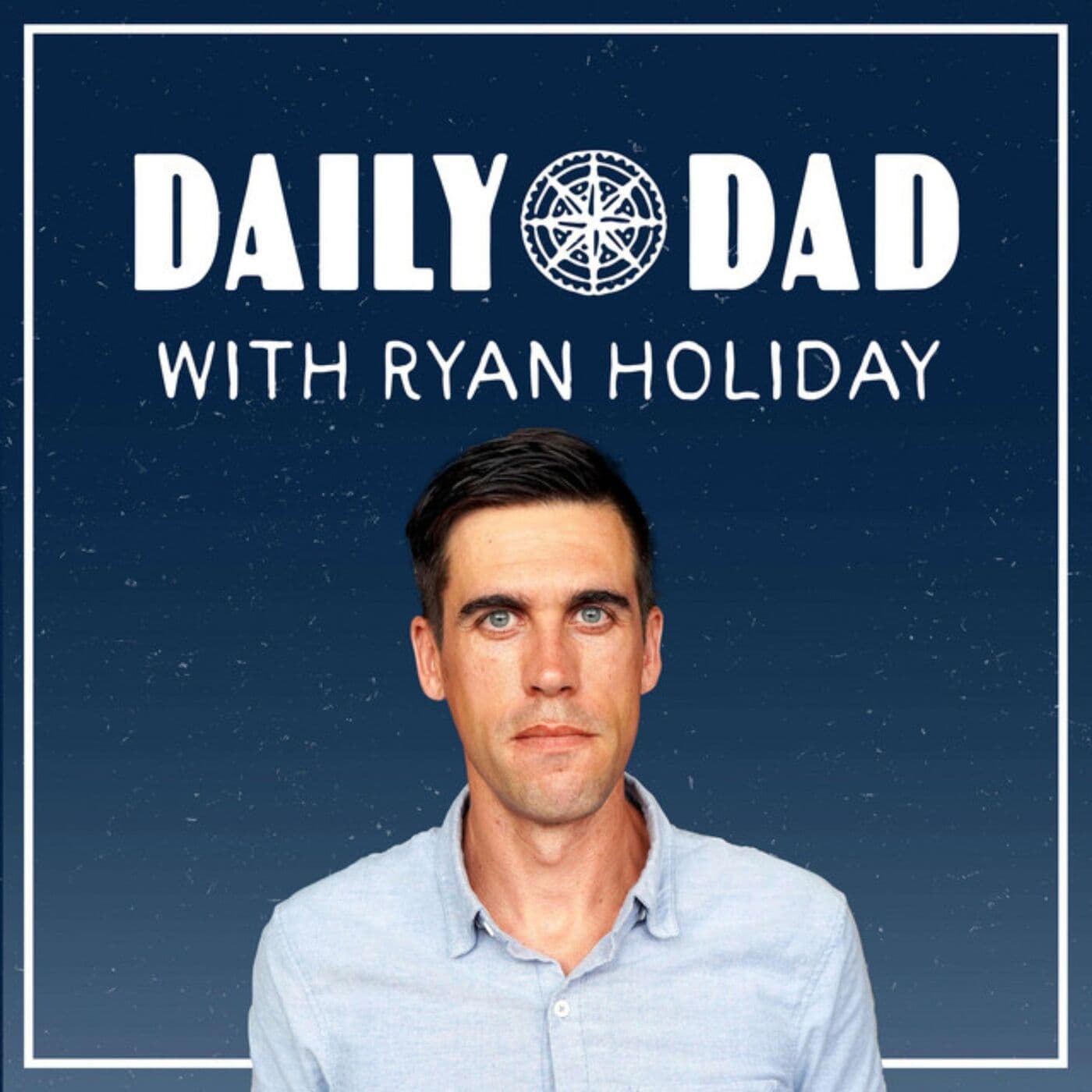
Let Your Kids Read the Banned Books | Ryan and Sam Holiday

By allowing children to engage with these texts, we equip them with the tools to critique and understand the world around them. They learn that literature can challenge norms and provoke thought, which is a vital aspect of cultural literacy.

The Role of Parents in Navigating Banned Books

As parents, our approach to banned books can set the tone for how our children perceive literature and culture. Instead of imposing strict rules, we can create an environment that encourages open conversations. When a child expresses interest in a book that may have controversial themes, it’s an opportunity to discuss its context, historical significance, and the reasons behind its ban.

For example, when children ask about the themes in Benicula, which contains outdated language, it’s an ideal moment to explain the evolution of societal norms. Discussing why certain terms are no longer acceptable fosters a deeper understanding of cultural sensitivity and change.

"“Instead of trying to nip that curiosity in the bud, wouldn’t it be better to communicate what you find objectionable?”"

Let Your Kids Read the Banned Books | Ryan and Sam Holiday

Engaging in these discussions instills a sense of critical thinking in children, enabling them to approach literature, and life, with a questioning mind.

The Importance of Curiosity and Exploration

Curiosity is a natural part of childhood. When children encounter “forbidden” knowledge, their instinct might be to explore it further. Rather than shutting down this impulse, recognizing it as a chance to educate can be powerful. When children innocently discuss complex topics, like terms they hear but do not understand, it highlights their eagerness to learn.

In a world filled with screens and distractions, nurturing a child’s desire to read and explore varied narratives is essential. The act of letting them pick up a banned book, under the guidance of an informed parent, can be transformative. It’s a chance for parents to walk alongside their children in their journey of cultural discovery.

"“Dangerous, provocative reading is a good thing,” emphasizing the value of exposing kids to a range of ideas."

Let Your Kids Read the Banned Books | Ryan and Sam Holiday

By allowing children to engage with challenging content, we prepare them for the complexities of the world they will face as adults.

Key Takeaways

  • Encourage Open Discussion: Foster an environment where children feel safe to discuss and question the books they read.
  • Teach Cultural Context: Use banned books as a way to explain historical and cultural shifts in values.
  • Promote Critical Thinking: Help children develop the skills to analyze and critique literature rather than accept it at face value.

Conclusion

In a cultural landscape increasingly defined by censorship, letting children read banned books serves as a powerful act of defiance against ignorance. It opens doors to dialogue about morality, ethics, and the evolution of societal norms.

By engaging with our children about these topics, we not only enrich their understanding but also foster a love for literature that encourages lifelong learning. In a world that often seeks to restrict access to ideas, our role as parents is to empower our children to explore beyond the boundaries.

Want More Insights?

This discussion only scratches the surface of the intricate relationship between children and banned books. To dive deeper into these thought-provoking topics and explore additional cultural insights, listen to the full episode. There, you will find more nuanced conversations that can enrich your parenting journey.

For more engaging content, explore other podcast summaries on Sumly, where we transform complex ideas into accessible insights that you can easily digest.

Ask Sumly

Have a question about this article?

Sumly digested the entire episode. Ask anything — key ideas, missing context, what the guest really meant.

Try asking

1 free question per day — no account needed.

Free to start

Enjoying this article?

Get AI-generated summaries from this podcast and thousands more — before your queue buries them.

Create free account