Back to
arts4 min read

Art as a Voice: Mothers Searching for Their Lost Children

Discover how art and community empower mothers searching for their lost children in Mexico's ongoing crisis of disappearances.

51m

Episode audio

4m

This article

47m

Time you save

Sumly listened to the whole episode and wrote this for you.

The Sumly effect

This article condenses 51m of audio into a 4 min read.

Sumly does this with every episode of your favorite podcasts — AI summaries, key takeaways and personalized notes, delivered automatically.

Start free — 14-day trial

In a world where art often serves as a mirror to society, few stories resonate as deeply as those of mothers searching for their lost children. This profound and heartbreaking journey is not just about absence; it embodies resilience, community, and a relentless quest for justice.

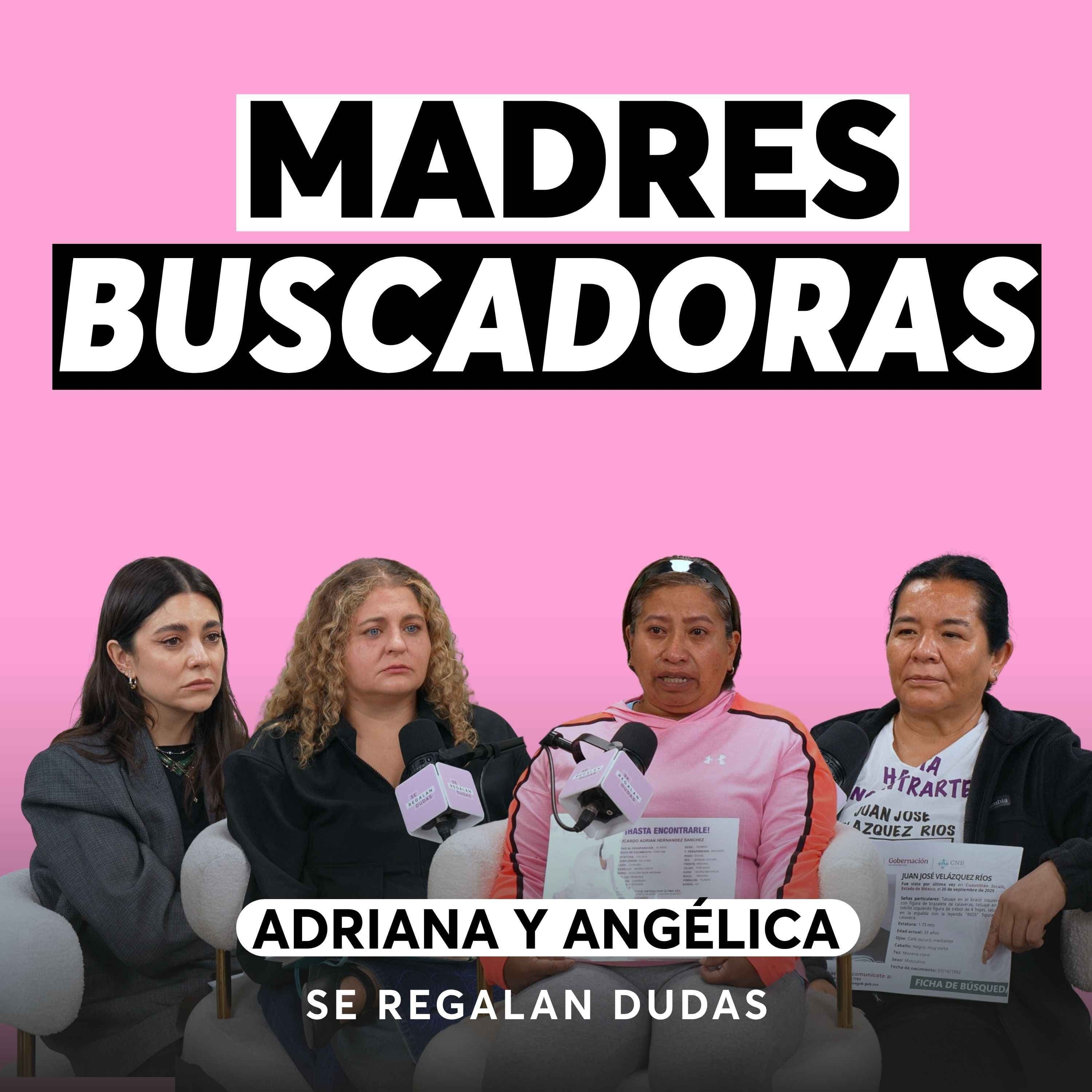
Art has long been a medium for expressing grief and hope. In Mexico, where the crisis of disappearances affects countless families, mothers like Adriana Sánchez and Angélica Ríos have turned to art not only to remember their children but also to demand action. Their stories highlight how creativity can serve as a powerful tool for advocacy.

The Role of Art in Advocacy

Adriana and Angélica are part of Lirios Buscadores, a collective of families united in their search for missing loved ones. They have participated in various artistic endeavors, including events at cultural institutions like Bellas Artes, which serve as platforms for raising awareness about the crisis of disappearances.

These artistic expressions help humanize the statistics that often numb the public. Each piece of art tells a story, embodying the love and pain of families left behind. For instance, the act of putting up posters of their missing children is not just a call for help; it is a way of keeping their memories alive.

"This is not a tragedy individual; it is a collective wound. It is something that makes us all vulnerable and continues to grow because impunity in this country is almost absolute."

Madres buscadoras: qué significa buscar a un hijo desaparecido | Episodio 686"

This sentiment expressed by Angélica captures the essence of their struggle. The art they create and share becomes a form of resistance against the prevailing silence surrounding their plight.

Artistic Actions: Beyond the Canvas

The artistic initiatives taken by the collective are not limited to visual art. They also engage in performances, community gatherings, and public demonstrations. These actions often include sharing personal stories, which transform abstract concepts of loss into tangible experiences.

For example, the mothers recount their children's stories in public forums, creating a narrative that is both personal and political. They emphasize the individuality of each missing person, reminding society that these are not just numbers but beloved family members.

"I want my son's memory to not be forgotten. I want to find him, and I want peace for both of us."

Madres buscadoras: qué significa buscar a un hijo desaparecido | Episodio 686"

Art thus becomes a lifeline, providing a platform for these mothers to voice their anguish and demand justice in a system that often overlooks their pain.

Community as Canvas: The Power of Solidarity

The collective nature of their efforts is vital. In a society where individual suffering is often ignored, the community aspect of their artistic endeavors fosters solidarity. Through shared experiences, the mothers find strength in unity, which is critical for their emotional survival.

They often gather to create art together, whether it's painting, crafting, or organizing events. This communal approach allows them to channel their grief into something constructive, turning pain into purpose.

"In each other, we find not only support but also the courage to keep searching, to keep fighting for our children."

Madres buscadoras: qué significa buscar a un hijo desaparecido | Episodio 686"

Through these artistic collaborations, they build a network of empathy and understanding, emphasizing that they are not alone in their struggle.

Key Takeaways

  • Art as Resistance: Artistic expressions become powerful tools for advocacy and remembrance.
  • Community Strength: Solidarity among mothers searching for their children fosters emotional resilience.
  • Humanizing Statistics: Each story shared helps to transform impersonal statistics into relatable narratives.
  • Empathy and Awareness: Artistic initiatives raise public consciousness about the ongoing crisis of disappearances.

Conclusion

The stories of mothers like Adriana and Angélica illustrate the power of art to transcend personal grief and advocate for collective justice. Their creative expressions serve as reminders that behind every disappearance is a unique individual with a story that deserves to be told.

Through art, these mothers not only seek to find their lost children but also strive to awaken a societal consciousness that refuses to accept such tragedies as the norm. Their resilience inspires us to engage with these stories, fostering a culture of empathy and action.

Want More Insights?

The journey of mothers searching for their children is just one aspect of a larger narrative that needs to be told. As discussed in the full conversation, there are many layers to their experiences and the creative outlets they explore.

To dive deeper into these poignant stories and discover more insights like this, explore other podcast summaries on Sumly, where we transform hours of conversations into actionable insights you can engage with in minutes.

Ask Sumly

Have a question about this article?

Sumly digested the entire episode. Ask anything — key ideas, missing context, what the guest really meant.

Try asking

1 free question per day — no account needed.

Free to start

Enjoying this article?

Get AI-generated summaries from this podcast and thousands more — before your queue buries them.

Create free account